Full Planning Applications
Secure approval for larger extensions, new builds, conversions, and complex developments.
People Trust Planning World
Average 5-Star Reviews
Planning World
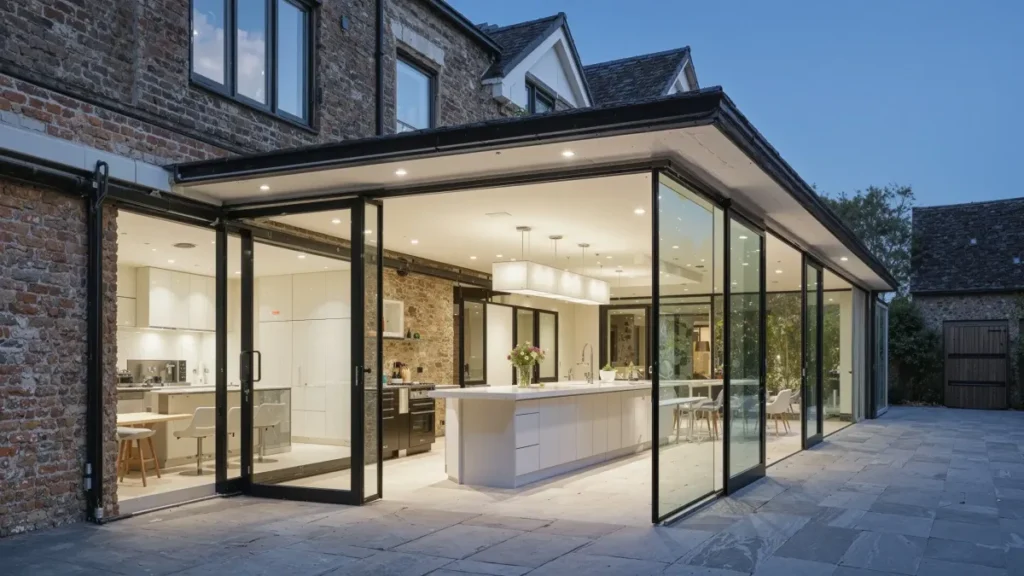
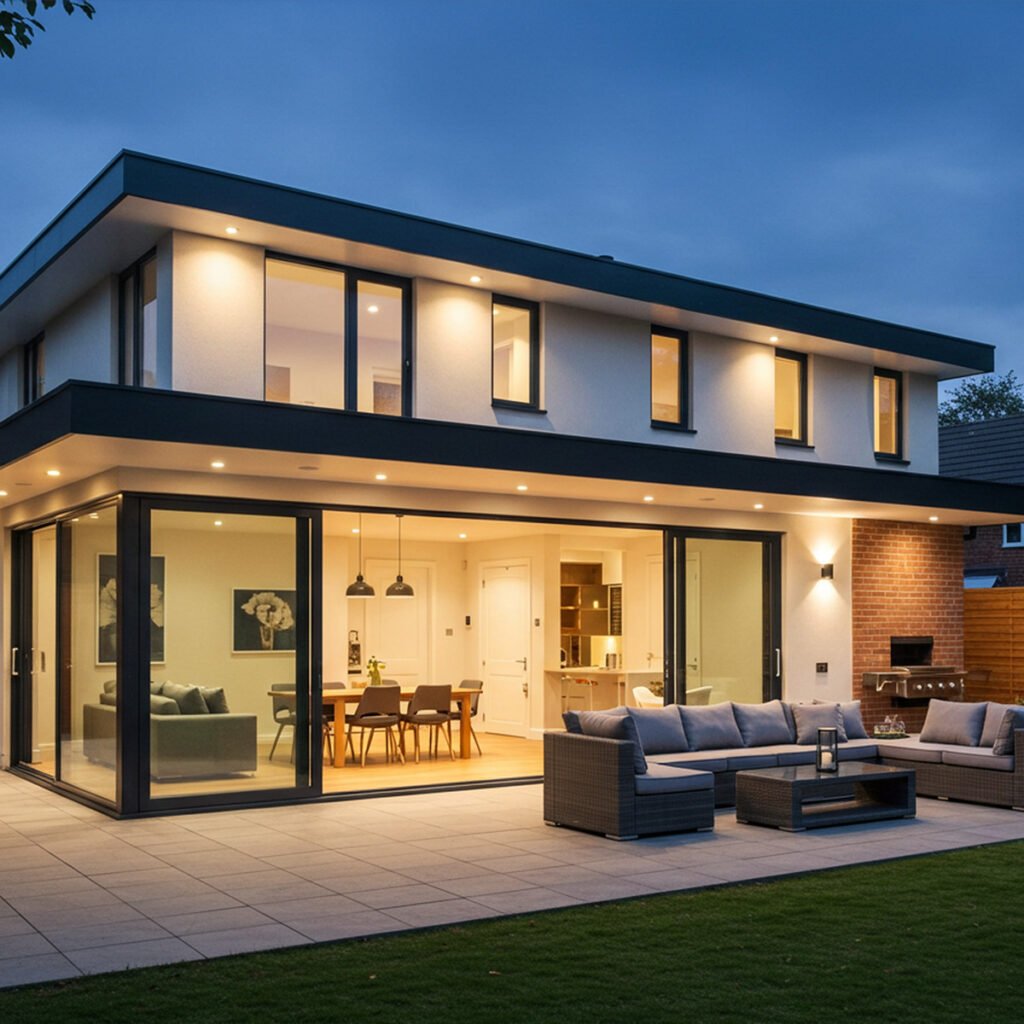
Full Planning Application is required for projects that go beyond Permitted Development or Householder limits. This includes larger extensions, multi‑storey works, new dwellings, flat conversions, commercial changes, and any proposal with a material impact on the surrounding area.
Planning World prepares everything needed for approval — including drawings, documents, compliance checks and full submission to any council. Our planning experts manage the entire process with clear guidance, fast turnaround and nationwide support.
When you need a Full Planning Application
This application type is required for:
- Two‑storey extensions beyond Householder limits
- Large rear or side extensions
- New build houses or annexes
- Converting a house into flats
- Change of use (e.g., commercial to residential)
- Significant alterations to the building’s appearance
- Developments in conservation areas or near listed buildings
- Projects with environmental, heritage, or neighbour impact
- Any proposal that does not fall under Permitted Development
If you’re unsure whether your project requires Full Planning, we confirm this during your consultation.
For Full Planning Applications
What documents are required
A Full Planning Application is more detailed than a Householder or LDC submission. It typically includes:
- Existing and proposed floor plans
- Existing and proposed elevations
- Roof plans
- Site location plan
- Block plan
- Design & Access Statement
- Heritage Statement (if applicable)
- Planning Statement
- Daylight/Sunlight Assessment (where required)
- Flood Risk Assessment (if in a flood zone)
- Biodiversity Net Gain calculations (mandatory for many projects)
- Structural engineering drawings (if relevant)
- 3D visuals or Revit models (highly recommended)
Planning World prepares every required document to meet your council’s validation checklist.
Our process
A structured, end‑to‑end workflow designed to maximise approval success:
- Initial consultation We assess your proposal, planning risks, and policy constraints.
- Measured survey 3D laser scanning ensures precise existing drawings.
- Concept design We explore layout options, massing, and design direction.
- Planning drawings Full architectural plans, elevations, sections, and roof plans.
- Technical reports FRA, BNG, daylight/sunlight, structural input, and more.
- Planning statements A robust justification referencing local and national policy.
- Submission & management We submit the application and liaise with the council throughout.
- Decision & next steps Once approved, we guide you into Building Regulations and construction.
Fees
Typical fees vary depending on project scale and complexity:
- £1,295–£2,495 for planning drawings and submission
- £495–£995 for Design & Access / Planning Statements
- £150 for location and block plans
- £206–£462 council application fee (depending on project type)
A fixed quote is provided after your consultation.
Borough‑specific considerations
Full Planning Applications are heavily influenced by local policy. We specialise in:
- Kensington & Chelsea — strict design controls, heritage sensitivity, basement restrictions
- Westminster — façade protection, conservation areas, roofline constraints
- Camden — daylight/sunlight rules, overlooking, amenity space requirements
- Lancashire authorities — local character, materials, neighbour impact
- Conservation areas — design justification and heritage statements
- Article 4 areas — reduced development rights and stricter controls
Your application is tailored to your borough’s policies for maximum approval success.
Common mistakes to avoid
Applicants often face refusals when they:
- Submit drawings that don’t meet validation standards
- Propose extensions that exceed height, depth, or massing limits
- Fail to justify design choices in policy terms
- Overlook daylight/sunlight or neighbour impact
- Ignore heritage or conservation requirements
- Provide insufficient technical evidence
Planning World eliminates these risks with a fully compliant, policy‑led submission.
Positive Feedback
10-day Turnaround
Fixed Pricing From
Why choose Planning World
-
- Complete planning, design, and compliance service
- Accurate 3D laser scan surveys for flawless drawings
- Revit‑based plans and 3D visuals for premium clarity
- Borough‑specific expertise for higher approval rates
- Full management of the application and council communication
- Transparent pricing and fast turnaround
Most councils take 8–13 weeks depending on complexity.
If it exceeds Householder limits or affects the building’s character, yes.
Some projects require FRA, BNG, daylight/sunlight, or structural input. We confirm this during your consultation.
Yes — we can revise, resubmit, or handle a planning appeal.
Yes — planning permission and Building Regulations are separate. We handle both.