⭐ How to Get Planning Permission for a New Build House
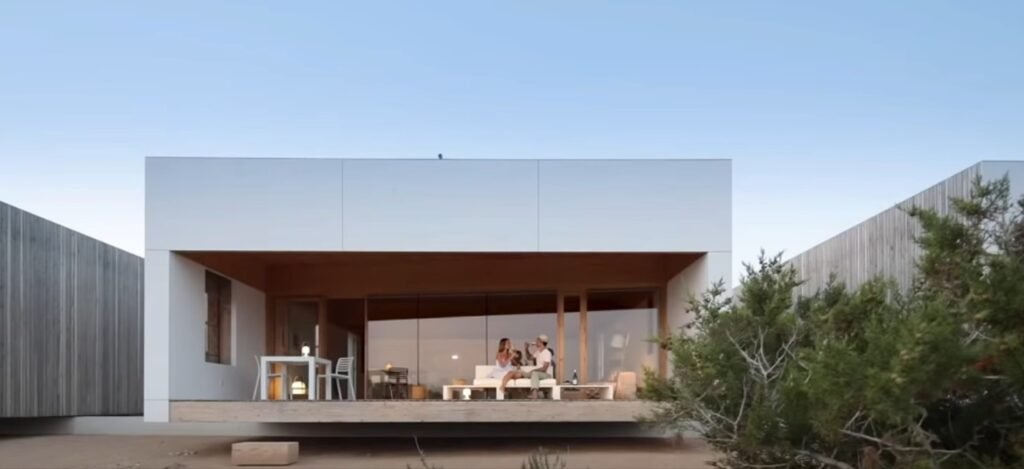
The most comprehensive, step‑by‑step UK guide to securing planning permission for a new build home — written for homeowners, self‑builders, and property developers.
🧭 What This Guide Covers
This guide explains exactly how to secure planning permission for a new build house in England, including:
- how councils assess new build applications
- the 2026 policy landscape (NPPF, LURA, self‑build duty)
- how to choose and evaluate a plot
- design, access, and technical requirements
- specialist reports you’ll need
- how to avoid the most common reasons for refusal
- how to use pre‑apps strategically
- how to appeal if you’re refused
- how to discharge conditions and start building
This is the most complete, practical, and up‑to‑date guide available.
🏡 1. What Counts as a New Build House?
A new build house is a completely new dwelling constructed on a plot where no residential building previously existed. It is not a conversion, extension, or change of use.
A new build typically includes:
- foundations and structural envelope
- all internal layouts, fixtures, and finishes
- utilities (water, drainage, gas, electric)
- access, parking, and landscaping
- compliance with Building Regulations and local design codes
Self‑build homes qualify when the owner plays a meaningful role in design and specification. Under the Levelling‑Up and Regeneration Act (2023–2025), councils now have a stronger duty to support self‑build and custom‑build housing.
📍 2. How Councils Decide Whether to Approve a New Build House
Local planning authorities assess new build proposals using material planning considerations, including:
- impact on neighbours (privacy, daylight, overshadowing)
- design quality, scale, and massing
- local character and street scene
- access, parking, and highway safety
- ecology, trees, and biodiversity net gain
- flood risk and drainage
- heritage and conservation constraints
- sustainability and energy performance
- compliance with national and local policy
To secure approval, your proposal must demonstrate that it is:
- policy‑compliant
- contextually appropriate
- technically supported
- neighbour‑friendly
- deliverable
🗺️ 3. How to Choose a Plot That Can Actually Get Permission
Most refusals happen because the plot was never suitable.
Key factors that make a plot viable:
- located within or adjacent to a settlement boundary
- access to a public highway
- no severe visibility or access constraints
- not in high‑risk flood zones
- not harming protected habitats or trees
- not in an isolated countryside location
- not creating backland or garden‑grab issues
- not harming heritage assets
Red flags:
- land marketed as “subject to planning” with no history of approvals
- plots with ransom strips or unclear access rights
- plots in Green Belt, AONB, SSSI, or National Parks
- plots with restrictive covenants
🧩 4. The Step‑by‑Step Process to Get Planning Permission for a New Build House
Step 1 — Feasibility Study
A professional feasibility review should include:
- planning history
- local plan policies
- design codes
- constraints mapping
- access and highways review
- flood and drainage screening
- ecology and tree constraints
- heritage and landscape sensitivity
This determines whether the site is realistically developable.
Step 2 — Pre‑Application Advice (Optional but Often Strategic)
A pre‑app can:
- confirm whether the principle of development is acceptable
- identify design concerns early
- reduce risk of refusal
- build rapport with the planning officer
However, pre‑apps can also:
- delay your project by months
- provide vague or non‑committal feedback
- be unnecessary when policy is clear
Use pre‑apps strategically, not automatically.
Step 3 — Concept Design & Site Strategy
Your architect should develop:
- massing options
- site layout
- access and parking strategy
- landscape and boundary treatments
- sustainability strategy
- drainage and SuDS approach
This stage ensures the design is policy‑aligned before detailed drawings begin.
Step 4 — Technical Reports Required for a New Build Application
Most new build applications require several specialist reports, including:
- Design & Access Statement
- Planning Statement
- Topographical Survey
- Tree Survey & Arboricultural Impact Assessment
- Ecology Survey (Phase 1 / protected species)
- Flood Risk Assessment & Drainage Strategy
- Highways / Transport Statement
- Energy & Sustainability Statement
- Heritage Statement (if applicable)
- Daylight & Sunlight Assessment (if near neighbours)
Skipping these is the fastest route to refusal.
Step 5 — Submitting the Planning Application
A full planning application includes:
- architectural drawings
- site plan and block plan
- elevations and sections
- roof plan
- landscaping plan
- technical reports
- application forms
- CIL forms
- correct fee
Councils aim to decide within 8 weeks, but 10–14 weeks is more typical.
Step 6 — During the Assessment Period
The case officer will:
- visit the site
- consult neighbours
- consult highways, ecology, drainage, and design officers
- assess policy compliance
- negotiate amendments (if they choose to)
Some councils collaborate; others simply issue a yes/no decision.
Step 7 — If Approved: Discharging Conditions
Approval is not the end. You must discharge conditions such as:
- materials samples
- drainage details
- landscaping
- tree protection
- construction management plan
This can take 4–12 weeks depending on complexity.
Step 8 — If Refused: Appeal or Redesign
You can appeal to the Planning Inspectorate if:
- the council misapplied policy
- the decision was unreasonable
- the proposal meets national policy
- the council failed to meet self‑build duties
Appeals are free, but professional representation is strongly recommended.
🧱 5. Outline vs Full Planning Permission for a New Build House
Outline Permission
Used to test the principle of development. Covers:
- use
- scale
- access
- layout (sometimes)
Full Permission
Required to actually build. Includes:
- full architectural drawings
- all technical reports
- detailed design
Most self‑builders go straight to full planning.
🚫 6. The Most Common Reasons New Build Applications Are Refused
- poor access or unsafe visibility splays
- overdevelopment of the plot
- harm to character or street scene
- overlooking or overshadowing neighbours
- inadequate parking or turning
- harm to trees or ecology
- insufficient drainage strategy
- building in open countryside
- non‑compliance with design codes
- lack of supporting reports
Every one of these can be mitigated with the right strategy.
🌱 7. Sustainability Requirements for New Build Homes (2026 Standards)
Expect councils to require:
- high‑performance fabric-first design
- air‑source heat pumps
- EV charging
- solar PV
- water efficiency
- biodiversity net gain
- SuDS drainage
Sustainability is now a material planning consideration.
📑 8. How to Maximise Your Chances of Approval
- commission a feasibility study before buying land
- use an architect experienced with your local authority
- follow local design codes
- engage specialists early
- avoid overdevelopment
- provide a robust drainage strategy
- demonstrate neighbour‑friendly design
- use pre‑apps strategically
- ensure your planning statement addresses every policy
🧠 9. How to Choose the Right Architect for a New Build House
A strong architect will:
- understand local policy and design codes
- have a track record of new build approvals
- coordinate all technical consultants
- design for both planning success and buildability
- manage the application and negotiations
This is the single most important factor in securing approval.
📌 10. Timeline & Costs for a New Build Planning Application
Typical timeline:
- Feasibility: 1–3 weeks
- Surveys & reports: 3–8 weeks
- Design development: 4–10 weeks
- Pre‑app (optional): 4–12 weeks
- Planning decision: 8–14 weeks
- Discharging conditions: 4–12 weeks
Typical costs:
- surveys: £2,000–£8,000
- reports: £1,500–£10,000
- architect fees: variable
- planning fee: £578 (householder) / £258 per dwelling (new build)
- appeal (if needed): £0 + professional fees
🏆 11. Final Checklist for Securing Planning Permission for a New Build House
- Is the plot viable?
- Does the design meet local policy?
- Are all technical reports included?
- Is access safe and compliant?
- Are neighbours protected?
- Is the sustainability strategy robust?
- Are drainage and SuDS addressed?
- Is the planning statement watertight?
If all are yes, your chances of approval are high.
Get a free, instant quote and see how much space and value you can add — without the stress.